Smartphones, laptops, tablets and televisions have become part of everyday life. Children use screens for learning and entertainment, while adults depend on them for work, communication and banking.
This growing dependence has made digital eye strain, dry-eye symptoms and childhood myopia important public-health concerns. In 2025, the World Health Organization and the International Telecommunication Union introduced a global standard for safer viewing on digital devices, reflecting growing attention to screen-related eye health.
Understanding the symptoms and making small daily changes can help protect vision and encourage timely eye examinations.
What is digital eye strain?
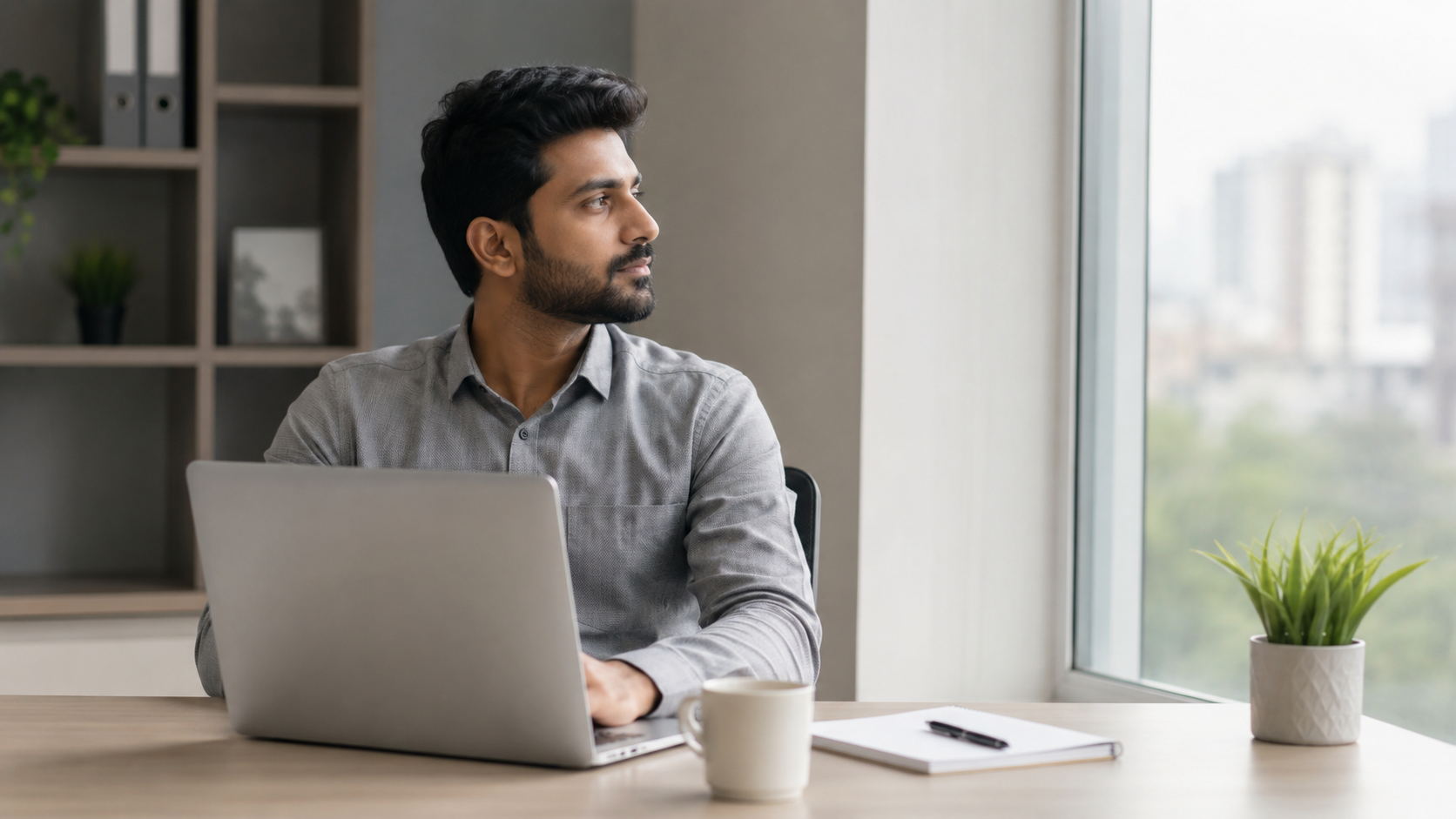
Digital eye strain refers to temporary discomfort that develops after prolonged use of computers, mobile phones or other digital displays.
Common symptoms include:
- Tired or aching eyes
- Dryness or burning
- Blurred vision
- Headache
- Difficulty focusing
- Watery or itchy eyes
- Sensitivity to light
- Neck and shoulder discomfort
The American Academy of Ophthalmology explains that discomfort after prolonged screen use is usually related to overuse, viewing habits and reduced blinking rather than damage caused specifically by blue light.
Why do screens make the eyes feel dry?
People normally blink regularly to spread tears over the eye surface. While concentrating on a screen, blinking may become less frequent or incomplete.
As a result, the tear film can evaporate more quickly, leading to:
- Dryness
- Grittiness
- Burning
- Redness
- Intermittent blurred vision
Air conditioning, fans, low humidity, contact-lens use and long working hours may worsen these symptoms.
What is childhood myopia?
Myopia, also called nearsightedness or short-sightedness, is a condition in which nearby objects appear clear but distant objects look blurred.
It occurs when the shape of the eye causes light to focus in front of the retina instead of directly on it. Myopia commonly begins between the ages of 6 and 14 and can progress as the child grows.
Why is childhood myopia becoming a major concern?
Research agencies have reported a substantial rise in childhood myopia worldwide. The US National Eye Institute notes that global research indicates approximately 35% of children are affected and that this could rise to about 40% by 2050.
Lifestyle factors associated with myopia include:
- Prolonged near work
- Heavy use of phones and tablets
- Long periods spent indoors
- Insufficient outdoor time
- Family history of myopia
Screens do not automatically cause myopia by themselves, but extended near work combined with limited outdoor activity may contribute to the risk.
Signs that a child may need an eye examination
Children may not always realise that their vision is blurred. Parents and teachers should watch for signs such as:
- Sitting very close to the television
- Holding books or phones near the face
- Squinting to see the classroom board
- Complaining of headaches
- Frequent eye rubbing
- Losing their place while reading
- Poor concentration during schoolwork
- Closing one eye to see better
- Reduced academic performance
- Avoiding outdoor games or ball sports
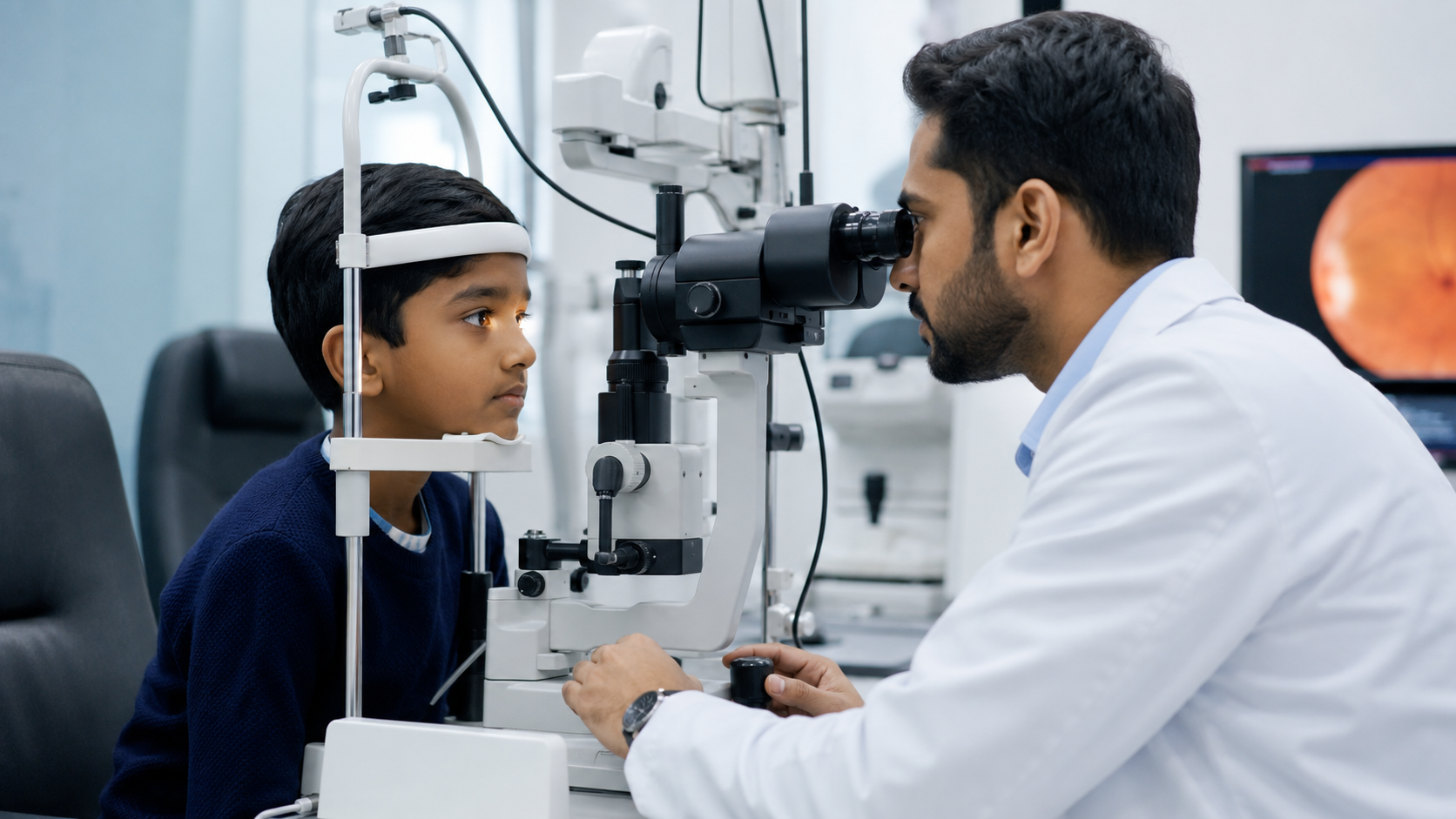
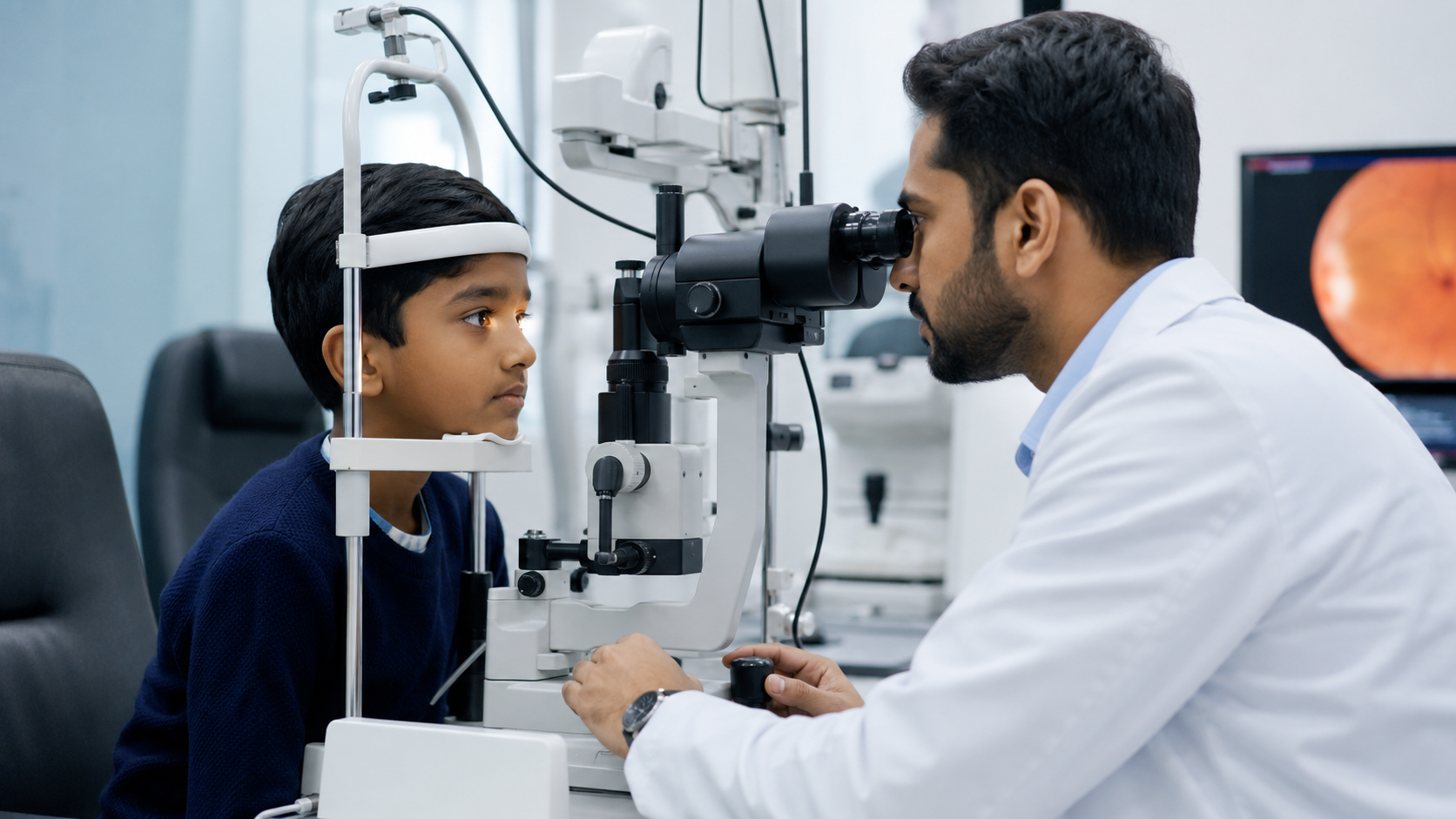
A comprehensive eye examination can identify myopia, astigmatism, lazy eye and other vision problems.
Does blue light from screens damage the eyes?
There is no strong evidence that ordinary use of phones or computers causes retinal damage solely because of blue light.
Many screen-related symptoms arise because of:
- Reduced blinking
- Long periods of close focusing
- Poor posture
- Glare
- Excessive brightness
- Lack of regular breaks
Blue-light-filtering glasses may feel comfortable for some users, but they should not replace proper screen habits or an eye examination.
The 20-20-20 rule
A practical way to reduce eye fatigue is the 20-20-20 rule:
After every 20 minutes of screen use, look at something approximately 20 feet away for at least 20 seconds.
This allows the focusing muscles to relax. It is especially useful for office workers, students and people who use mobile phones for extended periods.
Healthy screen habits for adults
Maintain a comfortable viewing distance
Keep the computer monitor approximately an arm’s length away. Position the top of the screen at or slightly below eye level.
Mobile phones should not be held extremely close to the face.
Adjust screen brightness
The screen should not be much brighter or darker than the surrounding room. Excessive contrast can increase discomfort.
Reduce glare
Avoid positioning the monitor directly opposite a window or bright light. Use curtains, reposition the screen or adjust room lighting where necessary.
Blink consciously
Make a conscious effort to blink fully, especially during long computer sessions.
Take frequent breaks
Stand, stretch and look into the distance regularly. Breaks benefit the eyes as well as the neck, back and shoulders.
Increase text size
Increase the font size rather than moving the phone closer to the eyes.
Healthy screen habits for children
Parents can protect children’s vision by creating balanced routines.
Encourage outdoor activity
Children who spend more time outdoors are less likely to develop myopia, although researchers are still studying the exact reason.
Encourage outdoor play during daylight whenever possible.
Avoid continuous screen sessions
Divide homework and entertainment into shorter periods with breaks.
Maintain proper distance
Children should avoid lying down with a phone held very close to the eyes.
Use screens in a well-lit room
Avoid watching screens in complete darkness. Balanced ambient lighting reduces visual discomfort.
Keep screens away before bedtime
Reducing screen use before sleep can support healthy sleep routines and reduce prolonged near work.
Myopia cannot be reversed by eye exercises
Eye exercises, massage and herbal products cannot change the length or shape of the eyeball responsible for myopia.
Corrective options include:
- Prescription spectacles
- Contact lenses
- Refractive surgery for selected adults
- Specialist-directed myopia-control treatments for children
Parents should not purchase medicated eye drops or special lenses without evaluation by a qualified eye-care professional.
New approaches to slowing myopia progression
Eye-care research is increasingly focused on treatments that may slow progression in children.
Approaches under specialist supervision may include:
- Specially designed spectacle lenses
- Multifocal contact lenses
- Orthokeratology lenses
- Atropine eye drops at selected concentrations
- Combination treatment in certain cases
The National Eye Institute has continued clinical research into specialised spectacles and atropine therapy for childhood myopia.
These options are not appropriate for every child. Treatment must be individualised after an eye examination.
Why regular vision screening matters
A child with poor distance vision may still perform daily activities without complaining. Regular screening can detect problems before they begin affecting education and development.
The WHO emphasises regular visual-acuity checks because many people with vision impairment are unaware that they have a problem.
Adults should also schedule eye checks, particularly when they have:
- Diabetes
- High blood pressure
- A family history of glaucoma
- Previous eye surgery
- Long-term steroid use
- Persistent headaches or blurred vision
- Sudden changes in eyesight
Warning signs that need urgent medical care
Seek immediate eye evaluation for:
- Sudden loss of vision
- Severe eye pain
- New flashes of light
- A sudden increase in floaters
- A curtain-like shadow in the field of vision
- Eye injury
- Chemical exposure
- Sudden double vision
- Red eye with severe pain or vomiting
- Sudden blurred vision in a person with diabetes
These symptoms may indicate a serious condition and should not be treated only with over-the-counter drops.
Avoid self-medication with eye drops
Not all redness is caused by dryness. It may result from allergy, infection, injury, glaucoma or inflammation.
Some combination eye drops contain steroids. Unsupervised steroid use can worsen infection, increase eye pressure and contribute to cataract formation.
Use only drops recommended by a qualified eye-care professional.
Frequently asked questions
Can too much mobile-phone use permanently damage eyesight?
Screen use commonly causes temporary eye strain and dryness. The larger concern in children is prolonged near work combined with insufficient outdoor activity, which may be associated with myopia development or progression.
Do children need glasses all the time?
It depends on the prescription and diagnosis. The eye doctor will advise whether the glasses should be worn continuously, during school hours or only for specific activities.
Can eating carrots remove spectacles?
A balanced diet supports overall eye health, but food cannot correct myopia, astigmatism or other refractive errors.
Are contact lenses safe for children?
They can be safe for suitable children when prescribed and supervised by an eye-care professional. Proper hygiene and responsible handling are essential.
How often should children have an eye check-up?
The schedule depends on the child’s age, symptoms, family history and previous findings. Children already diagnosed with myopia may require more frequent follow-up to monitor progression.
Conclusion
Digital devices are now unavoidable, but eye discomfort and vision problems should not be ignored.
Regular breaks, proper viewing distance, good lighting, conscious blinking and more outdoor activity can help reduce digital eye strain and support children’s eye health.
Persistent headaches, blurred vision, squinting, difficulty seeing the classroom board or rapid changes in spectacle power should prompt a professional eye examination.
Medical disclaimer: This article provides general health information and does not replace an examination, diagnosis or treatment by a qualified eye-care professional. Seek urgent medical attention for sudden vision loss, severe pain, eye injury or other emergency symptoms.